A person in immigration detention may obtain temporary release subject to a deposit, residence restrictions and other conditions. The authority considers flight risk and reasons for release, including treatment, family care and preparation for litigation.
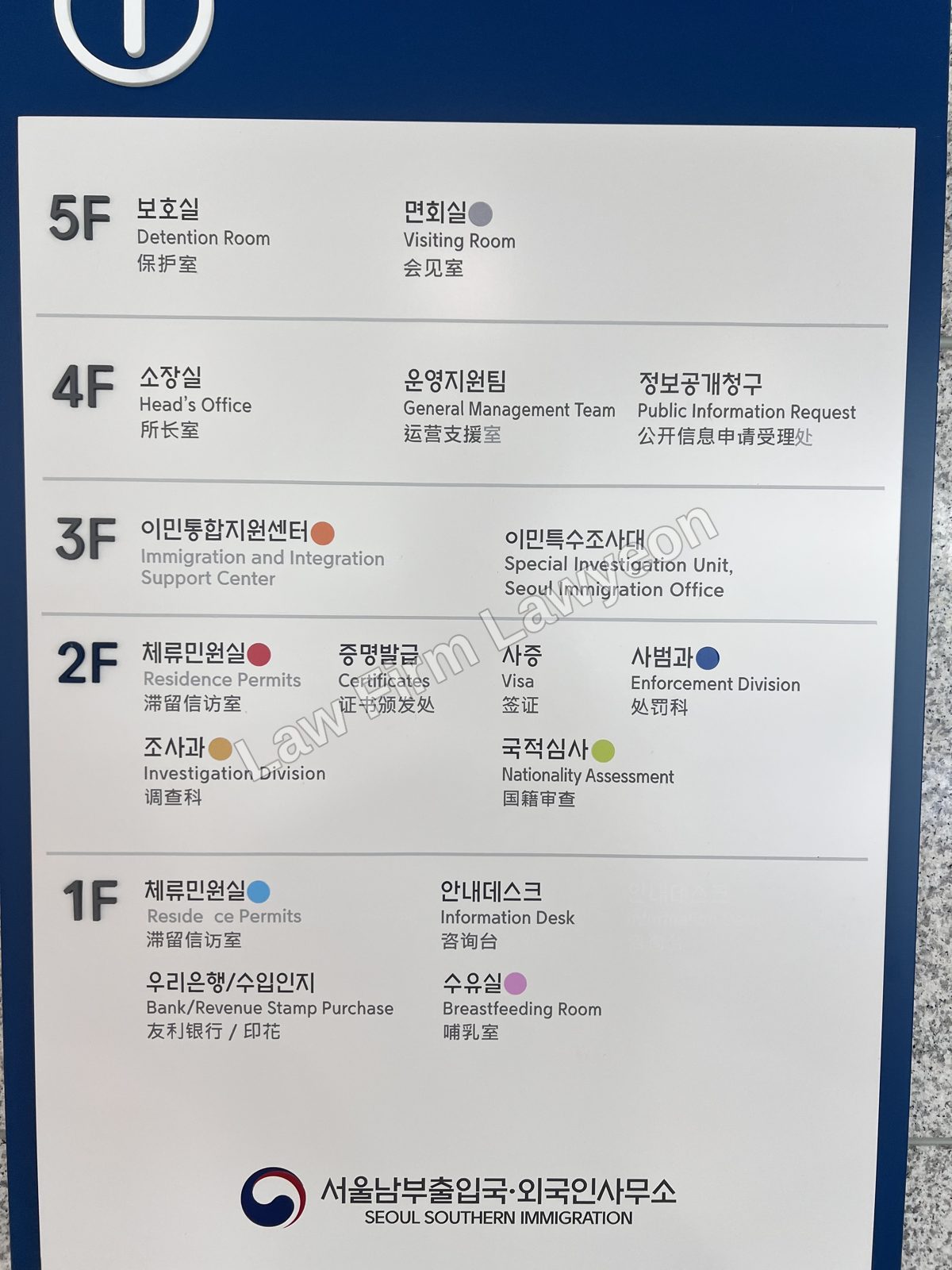
Purpose and duration of immigration detention
Immigration detention secures a person’s presence for enforced removal. Although it is an administrative measure, restrictions on movement and communication can make it difficult for the detainee to gather evidence or prepare statements for litigation.
Following a deportation order, detention is initially limited to two months. Each extension requires prior approval from the Detention Committee and may be granted for up to three months. Total detention is generally capped at nine months, or 20 months for statutory exceptions. A detainee may challenge deportation by objection or lawsuit while detained; temporary release allows evidence gathering and preparation outside detention.
Temporary release requirements and deposits
Temporary release suspends confinement for a limited period without cancelling the detention decision. The Immigration Control Act allows a deposit of up to KRW 20 million, residence restrictions and other conditions, taking account of the detainee’s circumstances, reasons for release and assets.
The deposit reflects the person’s assets and the ability to secure attendance. A personal guarantor may also be required. Breaching release conditions may result in forfeiture of the deposit, immediate re-detention and an adverse assessment in later proceedings.
Eligible applicants and release criteria
The detainee, family members or counsel may apply for temporary release. Where the detainee cannot prepare the application directly, family and counsel gather the supporting materials outside detention.
The authority considers a fixed address and family ties in Korea, the medical needs of the detainee or family, pending litigation and preparation needs, and the ability to provide a deposit and guarantor. Supporting evidence should substantiate the reasons for release and address flight risk.
Medical needs and flight risk
A need for continuing treatment may not be enough to secure release if the detainee has no settled address in Korea. The application should explain the nature and urgency of treatment and how accommodation and attendance will be secured after release.
The stage of removal proceedings and the person’s history of attendance and compliance also inform the assessment. Medical evidence supports the need for release; accommodation and guarantee arrangements address flight risk.
Appeals and conditions during temporary release
Deadlines for an objection or lawsuit against the deportation order must be observed without waiting for a temporary-release decision. The deportation order remains in force after release, and the person must comply with reporting and residence conditions while pursuing the challenge.
Frequently asked questions
Law Firm Lawyeon Immigration Law Center provides legal services specialized in the integrated handling of Korean immigration and visa matters together with criminal cases and immigration-violation reviews, built on extensive case experience, professional networks, and practical knowledge.
The Center brings together attorneys Junwoo Min, Dohyun Nam, and Seungchul Kim, criminal-law specialists with extensive immigration advisory experience, and Senior Advisor Taemin Ahn. Mr Ahn has served at the Seoul Global Center, headed a Ministry of Justice Global Start-up Immigration Center, and served on the Foreign Workers' Rights Protection Council of the Seoul Regional Employment and Labor Administration. Together, they established Law Firm Lawyeon's dedicated immigration practice.
In particular, for departure orders and entry-ban dispositions that follow a final criminal conviction, the Center presents effective solutions through an integrated strategy spanning criminal defense, objections to the disposition, and applications to lift the entry ban, and it supports stable business activity in Korea by managing many clients' immigration risk.
This article is intended as general information about the relevant legal framework and is not legal advice on any individual matter. Determinations concerning immigration status may differ depending on specific facts such as residence history, income and contractual relationships. If your situation requires individual review, you may request a consultation with the Immigration Law Center of Law Firm Lawyeon (lawyeon-immigration.com).