A foreign national fined for DUI may face an immigration violation review based on the fine and previous criminal penalties. The review assesses the risk posed by the offence and grounds for continued residence. The fine amount alone does not determine whether a departure or deportation order will follow.
DUI sentencing ranges and aggravating factors
A DUI case may turn on whether driving occurred, the blood alcohol concentration and testing process, any accident, and previous penalties. The statutory ranges for an ordinary DUI offence are set out below.
| Blood alcohol concentration | Statutory penalty for ordinary DUI |
|---|---|
| 0.03% to below 0.08% | Up to one year of imprisonment or a fine of up to KRW 5 million |
| 0.08% to below 0.2% | One to two years of imprisonment or a fine of KRW 5–10 million |
| 0.2% or above | Two to five years of imprisonment or a fine of KRW 10–20 million |
The table covers ordinary DUI involving motor vehicles and other covered vehicles, excluding personal mobility devices. Separate provisions may apply to repeat offences, refusal of or interference with testing, and accidents causing injury or death.
Lawyeon examines the allegation and evidence to prepare the defence and sentencing submissions. For foreign nationals, the firm also considers whether the anticipated sentence falls within the removal criteria and prepares for the subsequent immigration review.
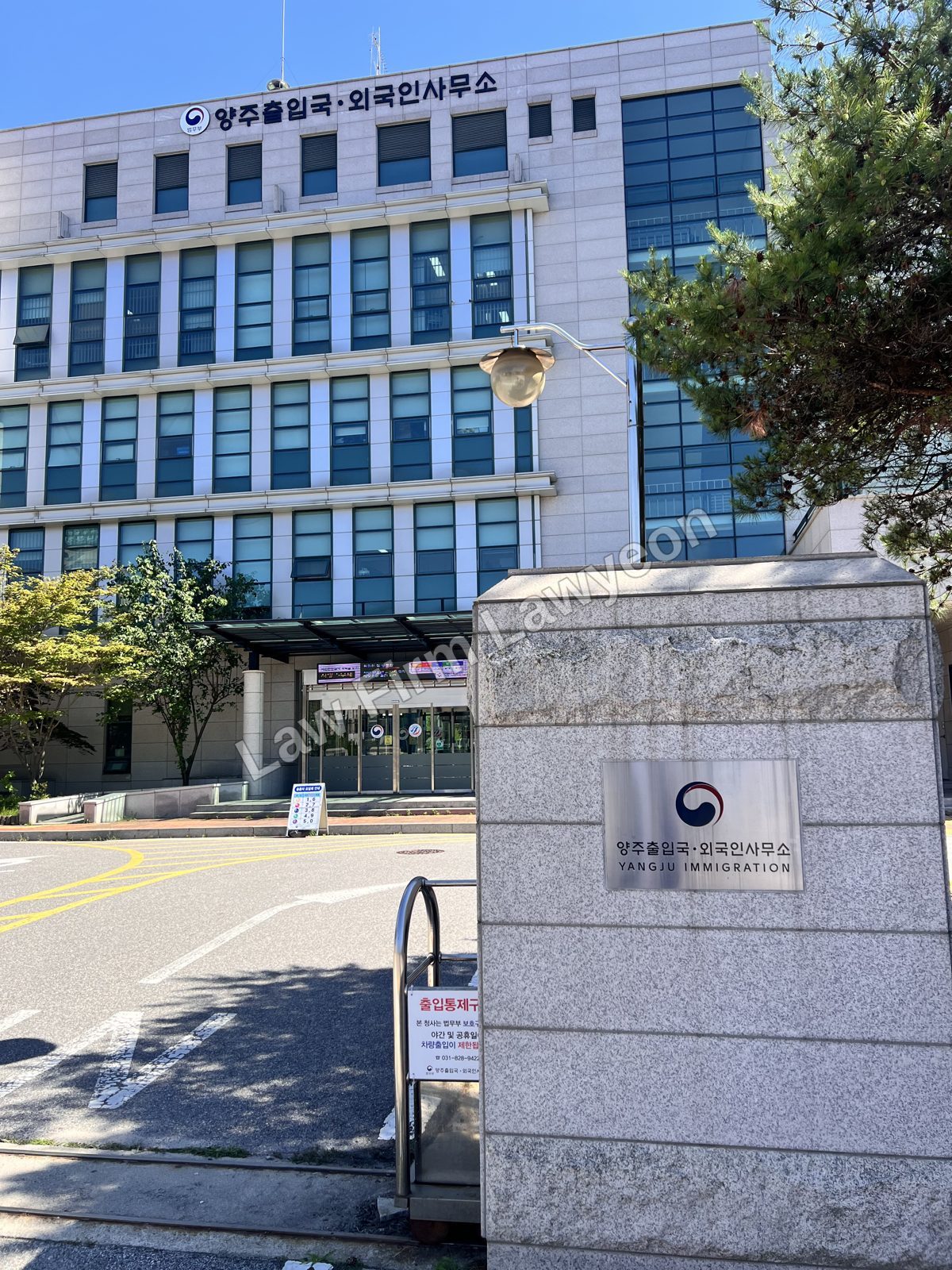
Removal criteria based on fines and repeat offences
The review criteria for foreign nationals with final criminal fines include a fine of at least KRW 3 million, cumulative fines of at least KRW 5 million within five years, or a fine or more severe punishment on at least two occasions within two years or three occasions within five years. Meeting any one criterion may bring a person within the category ordinarily subject to removal.
These internal guidelines identify cases potentially warranting removal. They do not assign a departure order to a KRW 3 million fine and deportation to a KRW 5 million fine. Even when a threshold is met, the lawfulness of the decision depends on an assessment of the individual circumstances.
Small individual fines can still meet the repeat-offence criteria, while a first offence can meet the monetary threshold. Any separate criteria for the particular type of offence must also be considered.
These amounts and frequencies concern criminal penalties imposed by courts. Immigration penalties and administrative fines are not added to criminal fines.
Sentencing factors and grounds for residence
Restitution, settlement and remorse may support mitigation in the criminal case. The later immigration review applies removal criteria to the final sentence and considers grounds for continued residence or exemption from an entry ban.
The immigration review examines the nature and repetition of the offence, risks to public safety and social order, and the need to remain in Korea. A person who receives a fine or a suspended sentence may still be ordered to leave following that review.
Reoffending risk and family or business ties
Family ties, care of minor children, an established life in Korea, medical needs and business operations may support the need to remain and demonstrate the harm caused by departure. Living with family or running a business for many years does not itself secure permission to stay; the authority considers whether those circumstances support an exception to removal.
DUI cases raise concerns about road safety and reoffending. A further offence after leniency or a pledge to comply with the law can make it harder to obtain permission to remain on family or financial grounds.
Lawyeon identifies the circumstances already assessed in earlier criminal and immigration proceedings and presents submissions and evidence showing why current care responsibilities or business duties support continued residence.
Challenges to removal and entry-ban relief
An objection to a deportation order under the Immigration Control Act must be filed within seven days of receipt. That procedure does not apply to a departure order. A revocation lawsuit addresses grounds for cancelling the decision, while an application for suspension addresses the requirements for interim relief pending judgment.
Filing suit does not automatically suspend the obligation to leave or enforcement. A person subject to a departure order must observe its deadline even if time remains under the previous permission to stay.
An exemption from or lifting of an entry ban leaves the obligation to depart intact if the departure order remains in force. After departure, re-entry requires assessment of the remaining ban and grounds for relief, followed by compliance with the visa and admission requirements for the intended purpose.
Law Firm Lawyeon Immigration Law Center provides legal services specialized in the integrated handling of Korean immigration and visa matters together with criminal cases and immigration-violation reviews, built on extensive case experience, professional networks, and practical knowledge.
The Center brings together attorneys Junwoo Min, Dohyun Nam, and Seungchul Kim, criminal-law specialists with extensive immigration advisory experience, and Senior Advisor Taemin Ahn. Mr Ahn has served at the Seoul Global Center, headed a Ministry of Justice Global Start-up Immigration Center, and served on the Foreign Workers' Rights Protection Council of the Seoul Regional Employment and Labor Administration. Together, they established Law Firm Lawyeon's dedicated immigration practice.
In particular, for departure orders and entry-ban dispositions that follow a final criminal conviction, the Center presents effective solutions through an integrated strategy spanning criminal defense, objections to the disposition, and applications to lift the entry ban, and it supports stable business activity in Korea by managing many clients' immigration risk.
This article is intended as general information about the relevant legal framework and is not legal advice on any individual matter. Determinations concerning immigration status may differ depending on specific facts such as residence history, income and contractual relationships. If your situation requires individual review, you may request a consultation with the Immigration Law Center of Law Firm Lawyeon (lawyeon-immigration.com).